

A foundation is laid. Concrete pillars rise. The neighborhood watches with interest. Then, slowly, the activity fades. Weeks pass. Months follow. The building remains, unfinished, exposed, and silent.
What began with excitement ends as an uncomfortable reminder of intentions that never became reality.
This pattern is not caused by laziness or lack of ambition. In fact, most abandoned projects begin with strong confidence. The real problem lies deeper, in decisions made long before the first block was laid.
Many people begin building because they can start, not because they are ready to finish. A plot of land is available. Some savings exist. The temptation to “at least begin” feels reasonable.
But construction is not forgiving to vague plans. Every stage depends on the next, and momentum is expensive to restart once it is lost. When the funds allocated for the foundation quietly consume money meant for walls, roofing, and finishing, progress slows, and then stops.
At that point, the building does not fail structurally. It fails financially.
Very few first-time builders accurately estimate the real cost of construction. Budgets often focus on visible items, blocks, cement, roofing sheets, while overlooking less obvious but unavoidable expenses.
Professional fees, approvals, service connections, security, waste management, and constant price fluctuations all add up. Inflation alone can turn a well-planned budget into an unrealistic one within a year.
As costs rise, builders are forced to pause, promising themselves the delay is temporary. But delays are rarely neutral. Each pause quietly increases the amount required to resume.

Construction delays do more than slow progress, they multiply problems. Materials deteriorate. Artisans move on. Original cost estimates become irrelevant. What once felt manageable begins to feel overwhelming.
Over time, returning to the site becomes emotionally heavy. The unfinished building shifts from a dream into a source of stress, and avoidance replaces motivation.
This is how many projects are abandoned, not suddenly, but gradually.
Another common reason projects stall is poor management. Without consistent supervision, costs leak in small but damaging ways. Materials are wasted. Work must be redone. Timelines stretch without accountability.
In some cases, builders rely too heavily on verbal agreements or trust without structure. When disagreements arise or contractors disengage, progress halts, often with no clear path forward.

Construction rewards precision. Anything less quietly drains both money and morale.
Many building projects are funded incrementally, relying on monthly income, business profits, or seasonal earnings. When income is steady, work continues. When it fluctuates, construction becomes vulnerable.
Life rarely announces its disruptions in advance. Medical needs, family responsibilities, or business downturns can quickly redirect funds. Without financial reserves, the building project is usually the first casualty.
What was meant to be a temporary pause stretches into years.
Some people begin building because they feel they should, not because they are prepared. Friends are completing houses. Family expectations grow louder. Social comparison creates urgency.
But construction does not respond to pressure. It responds to planning, patience, and financial discipline. Projects started to keep up with others often struggle to stand on their own.
In the end, the building remains, long after the applause has faded.
Documentation issues are another silent disruptor. Incomplete land titles, unresolved disputes, or missing approvals can stop work instantly. When these issues arise mid-project, they often require time and money that were never budgeted for.
By the time resolutions are reached, costs have risen and momentum is gone.
Those who complete their buildings usually share a few quiet habits. They plan backward from completion, not forward from enthusiasm. They build in deliberate phases. They budget conservatively and prepare for disruption.
Most importantly, they respect the process.
Building a house is not just a construction exercise. It is a long-term financial and emotional commitment. When that commitment is entered casually, the structure reflects it.
The unfinished building standing on the street is not a symbol of failure, it is a lesson. One that reminds us that starting is easy, but finishing requires foresight, restraint, and patience.
And in construction, as in life, the real success is not what you begin, it is what you complete.
It usually starts as a simple question, the kind people ask casually but think about deeply. Do you buy a car to make life easier now, or land to secure something bigger for the future? Both feel important. Both cost...
At some point in the home-buying journey, almost everyone faces the same quiet dilemma. Do you choose the order and structure of an estate, or the freedom and independence of a standalone house On the surface, the decision looks simple....

 Land or Car: Which One Should You Buy First?
 Living In An Estate vs Standalone Houses: Which One Is Actually Better?
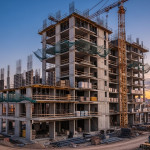 Why Many People Start Building and Never Finish
 Should You Buy a Home or Build One? A Complete Guide to Making the Right Decision
 The Best Places to Live in Lagos