
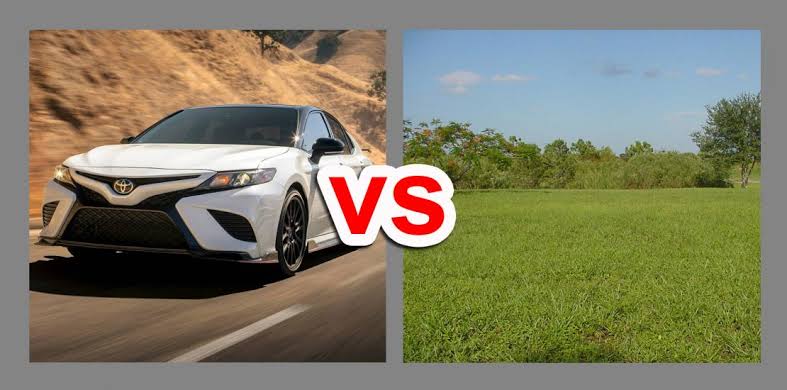
It usually starts as a simple question, the kind people ask casually but think about deeply.
Do you buy a car to make life easier now, or land to secure something bigger for the future?
Both feel important. Both cost money. And both can shape your life in very different ways.
What makes the decision difficult is that it’s rarely just financial. It’s emotional, social, and practical all at once. One offers immediate convenience. The other offers long-term security. Choosing wrongly doesn’t ruin your life, but choosing without clarity often leads to regret.
A car changes daily life immediately. It saves time, reduces stress, and expands opportunity. Commutes become manageable. Business becomes easier. Independence feels tangible.
In many places, especially where public transport is unreliable, owning a car can feel less like a luxury and more like survival. It solves problems you face every day, not problems you hope to solve years from now.
That immediacy is powerful. It’s also why cars are so tempting.
Yet the convenience comes with a quiet trade-off.
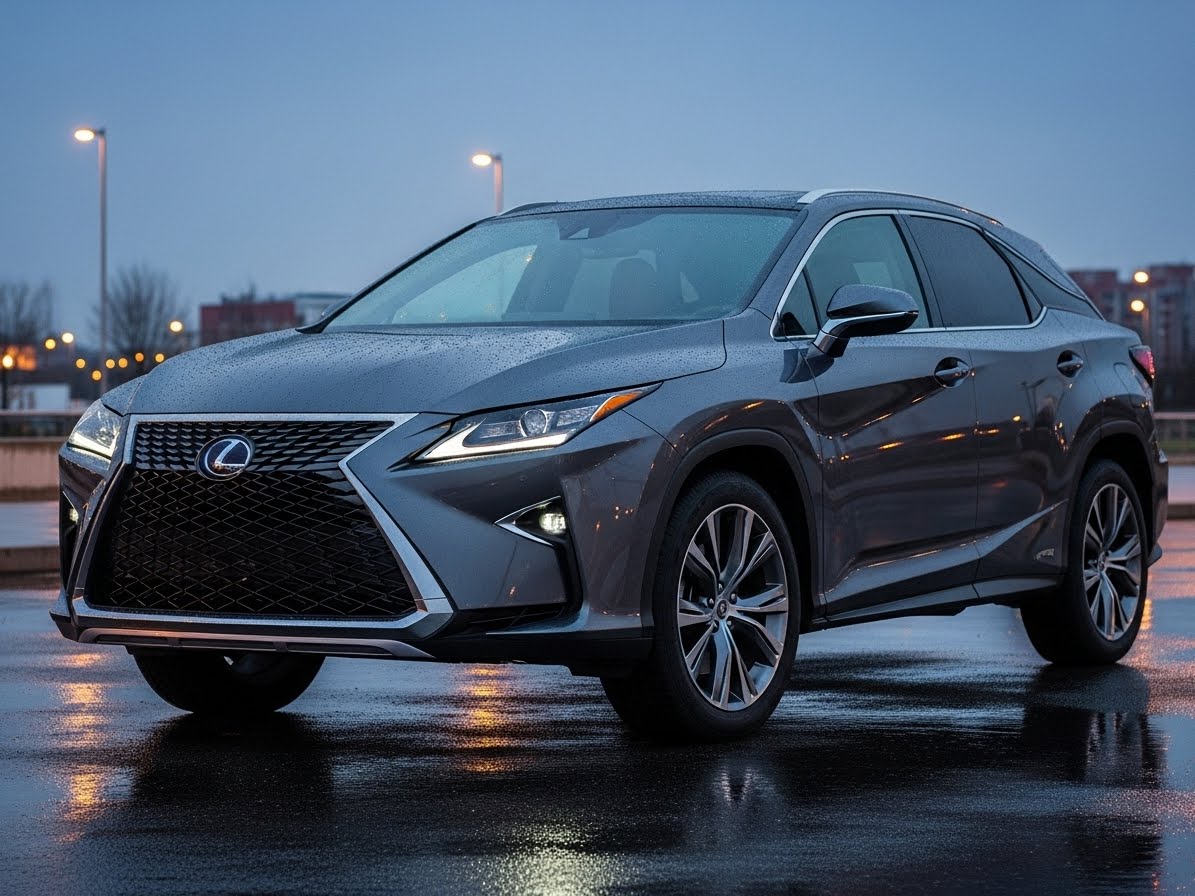
Cars depreciate from the moment they are purchased. Maintenance, fuel, insurance, and repairs turn ownership into a recurring expense, not an investment.
Over time, the car demands attention and money simply to remain functional. And eventually, it needs replacement.
A car improves how you move through life, but it rarely improves your financial position.
Land ownership speaks to something deeper. It represents stability, growth, and possibility. Unlike cars, land generally appreciates over time. It does not require daily spending to exist.
Land can wait. It doesn’t demand fuel. It doesn’t break down. It sits quietly while value accumulates.
For many people, buying land is the first real step into wealth-building. It creates options, for building, renting, resale, or collateral.
But land solves future problems, not immediate ones.
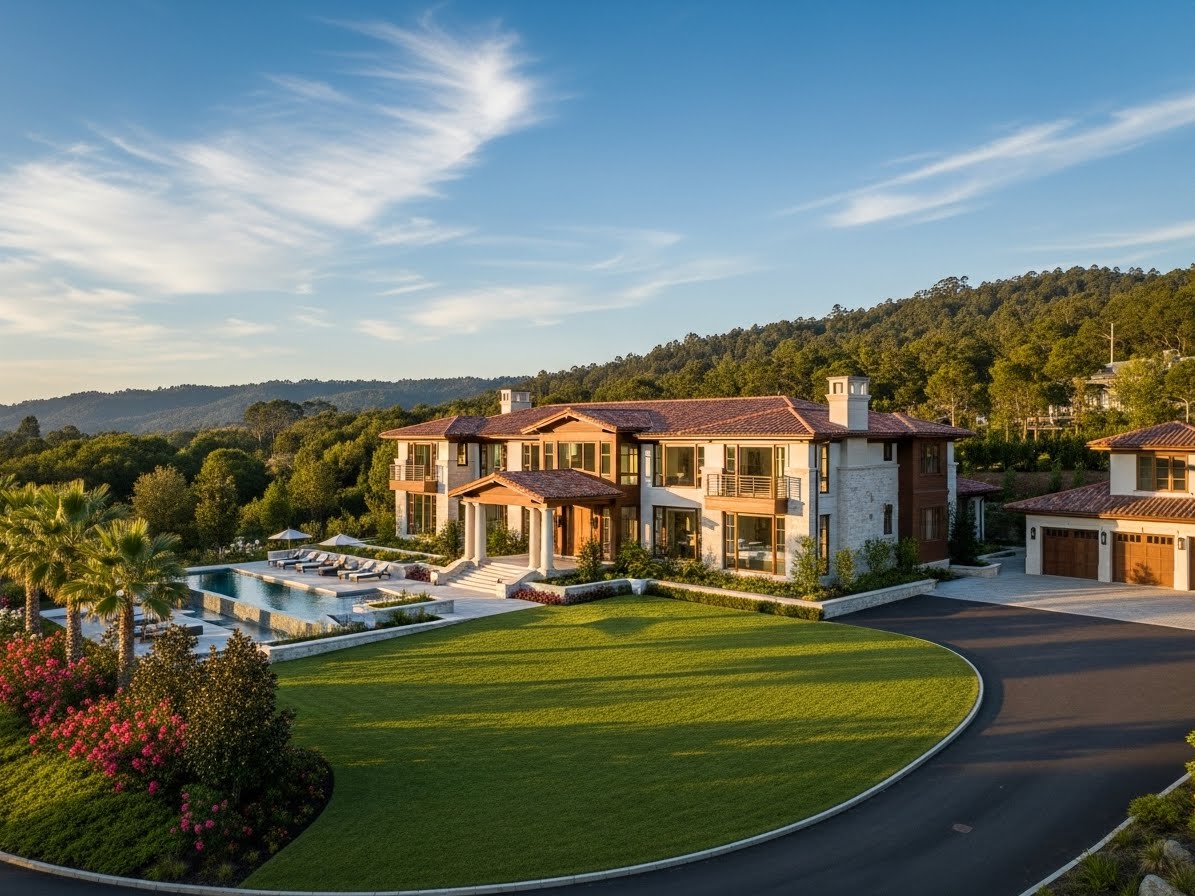
Land ownership is not always exciting in the short term. There is no daily benefit you can feel immediately. Development may take years. In some cases, land remains unused for a long time.
There are also risks, poor documentation, wrong locations, or unrealistic timelines can turn a good idea into a frustrating one.
Land rewards those who think long-term and plan carefully.
The real decision is not land versus car.
It is need versus timing.
If your income depends on mobility, and a car directly increases your earning capacity, then a car may be the smarter first purchase. When a car becomes a tool rather than a status symbol, its value changes.
On the other hand, if your mobility needs are manageable and your income is stable, land may offer a stronger foundation for the future.
Problems arise when cars are bought for appearance and land is postponed indefinitely.
Delaying land often means paying more later. Urban expansion, inflation, and demand quietly increase prices year after year.
Delaying a car, however, often means inconvenience, lost time, missed opportunities, and daily frustration.
Both delays have costs. The difference is whether the cost is financial or emotional.
The most balanced approach is not choosing one forever. It is choosing one first.
Those who build wealth early often prioritize land while their lifestyle allows flexibility. Those who prioritize income growth often secure mobility first, then invest in land as stability improves.
What matters is intention. Buying either without a plan leads to regret. Buying either with clarity creates progress.
If the car puts money in your pocket, it earns its place.
If it only puts pressure on your finances, it should wait.
If land secures your future and fits your current capacity, it deserves priority.
If it stretches you too thin, it becomes a burden.
The right choice is the one that aligns with where you are, not where you feel pressured to be.
Because real progress isn’t about what you own first.
It’s about whether what you buy first actually moves your life forward.
At some point in the home-buying journey, almost everyone faces the same quiet dilemma. Do you choose the order and structure of an estate, or the freedom and independence of a standalone house On the surface, the decision looks simple....
Many people begin building because they can start, not because they are ready to finish. A plot of land is available. Some savings exist. The temptation to “at least begin” feels reasonable. But construction is not forgiving to vague plans....
 Land or Car: Which One Should You Buy First?
 Living In An Estate vs Standalone Houses: Which One Is Actually Better?
 Why Many People Start Building and Never Finish
 Should You Buy a Home or Build One? A Complete Guide to Making the Right Decision
 The Best Places to Live in Lagos