

At some point in the home-buying journey, almost everyone faces the same quiet dilemma.
Do you choose the order and structure of an estate, or the freedom and independence of a standalone house
On the surface, the decision looks simple. One promises security, shared amenities, and organization. The other offers privacy, control, and space. But once you move beyond the brochures and site inspections, the question becomes less about preference and more about lifestyle, cost, and long-term reality.
The truth is, neither option is automatically better. One simply fits certain people, and certain seasons of life, far more than the other.
Estate living is often designed to remove friction from daily life. From the moment you enter a gated community, there is a sense of order. Roads are planned, drainage is coordinated, and security is centralized.
For many homeowners, this structure is not restrictive, it is comforting.
Security is usually the strongest selling point. Controlled access, perimeter fencing, and uniform rules reduce uncertainty. For families, this can mean peace of mind. For professionals with demanding schedules, it means less time worrying about logistics and more time focusing on life.
There is also predictability. In most estates, you know what the surrounding buildings will look like, how the environment will be maintained, and what standards neighbors are required to follow. This consistency often protects property value over time.
Yet, this order comes with trade-offs.

Estate living is rarely as hands-off as it appears. Service charges, levies, and association rules are part of the package. These costs may feel manageable at first, but they are permanent. Whether or not you use the amenities, you pay for their upkeep.
There is also limited flexibility. Want to modify your fence, expand your structure, or run a home-based business? Approval may be required, and approval is not always guaranteed.
For some, this structure feels reassuring. For others, it slowly begins to feel like living in a space that is not fully theirs.
Standalone houses offer something estates cannot, complete autonomy. The land is yours. The building is yours. Decisions are made without committee meetings or estate rules.
This freedom is especially appealing to homeowners who value privacy and long-term control. There are no mandatory service charges, no uniform design requirements, and no shared management.
Standalone homes also offer flexibility over time. As needs change, the house can change too. Additional rooms, rental units, or home offices can be added without navigating layers of approval.
However, freedom comes with responsibility.

In standalone housing, every problem is personal. Security is your responsibility. Road conditions, drainage issues, waste management, and utilities are yours to solve.
What estates handle collectively, standalone homeowners must manage individually, often at a higher cost.
There is also the risk of environmental inconsistency. Your property may be well maintained, but neighboring developments might not be. This can affect resale value and long-term satisfaction in ways that are difficult to predict.
Standalone living rewards preparation and resilience. Without them, the independence can become overwhelming.
Initial purchase prices can be misleading. Estate homes often appear more expensive upfront, but they bundle infrastructure, security, and maintenance into the price.
Standalone houses may cost less initially, but expenses emerge gradually, fencing, boreholes, generators, security, road access, and drainage improvements.
Over time, the difference is not always about which is cheaper, but which cost structure you can sustain comfortably.
The real difference between estate living and standalone houses is not physical, it is behavioral.
Estate living suits people who value convenience, shared responsibility, and predictability. It works well for busy professionals, families with young children, and buyers focused on stability and resale value.
Standalone houses suit those who value control, flexibility, and independence. They are ideal for long-term planners, multi-use homeowners, and those willing to actively manage their environment.
Problems arise when people choose based on trends rather than temperament.
The better option is the one that aligns with how you live, not how you want to be perceived.
A beautifully finished estate home can feel suffocating to someone who values autonomy. A spacious standalone house can feel exhausting to someone who craves convenience.
The smartest decision is not choosing what looks impressive, but choosing what will still make sense years after the excitement of moving in has faded.
Because in the end, the best home is not the one others admire, it is the one that quietly supports the life you are actually living.
It usually starts as a simple question, the kind people ask casually but think about deeply. Do you buy a car to make life easier now, or land to secure something bigger for the future? Both feel important. Both cost...
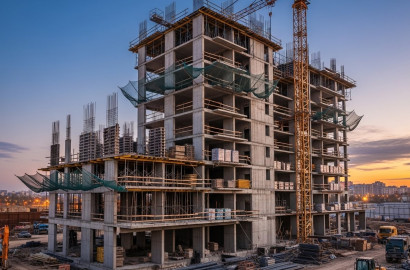
Many people begin building because they can start, not because they are ready to finish. A plot of land is available. Some savings exist. The temptation to “at least begin” feels reasonable. But construction is not forgiving to vague plans....
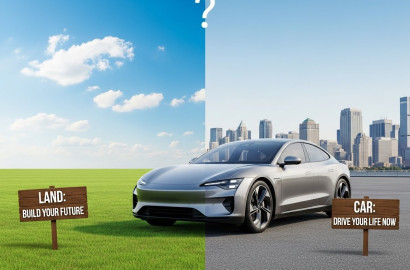
 Land or Car: Which One Should You Buy First?
 Living In An Estate vs Standalone Houses: Which One Is Actually Better?
 Why Many People Start Building and Never Finish
 Should You Buy a Home or Build One? A Complete Guide to Making the Right Decision
 The Best Places to Live in Lagos