
Buying a house is one of the biggest financial decisions you'll make in your lifetime. In the Nigerian real estate market, there are several unique factors you need to carefully evaluate before making that leap into home ownership. This blog post will cover the top 5 things to look out for when house hunting in Nigeria.
As the Nigerian economy continues to grow and the population becomes more urban-centric, the demand for quality housing has skyrocketed in recent years. However, the real estate sector is still plagued by challenges like unclear land ownership, substandard construction, and a lack of regulatory oversight in many areas. For first-time home buyers in particular, navigating this landscape can be daunting.
That's why it's absolutely critical to do your due diligence before signing on the dotted line. Taking the time to thoroughly vet a property and its surrounding environment can save you from a world of headaches - and potentially save you millions of naira in the long run.
1. Legitimate Land Ownership
In many parts of Nigeria, land ownership can be a complex and murky issue. Disputes over land rights and title deeds are unfortunately all too common, leaving buyers vulnerable to legal problems down the line. Before purchasing any property, you must thoroughly verify the land title and ensure the seller has a legitimate, undisputed claim to the land.
Look out for proper documentation such as a Certificate of Occupancy (C of O) or Right of Occupancy (R of O). These government-issued certificates are the gold standard for proving land ownership in Nigeria. If the seller cannot provide either of these, it's a major red flag.
Hiring a reputable lawyer to perform thorough due diligence on the land title is highly recommended, even if it means spending a bit more upfront. They can uncover any hidden issues or disputes that could come back to haunt you later on. It's better to invest in this step now rather than dealing with a messy legal battle after you've already purchased the property.
2. Property Development Permits
Equally important is confirming that the house or building you plan to buy has the necessary development permits and approvals from the relevant government authorities. Construction without the proper paperwork can lead to issues down the line, including the risk of demolition by the authorities.
In Nigeria, all new construction projects are required to obtain approvals such as a Building Permit, Development Permit, and Occupancy Permit. The seller should be able to provide copies of these documents to prove the property was built legally. Carefully review the permits to ensure they are valid and cover the entire structure you intend to purchase.
If the seller is unable or unwilling to provide proof of proper development approvals, it's a major red flag. You could be buying a property that is at risk of being deemed illegal by the government. Protect yourself by verifying all relevant permits are in order before proceeding with the purchase.
3. Neighborhood Assessment
The location and surrounding neighborhood can greatly impact the value and livability of a home. Thoroughly researching the area is crucial to ensure you're making a sound investment.
Factors to consider include:
- Accessibility: How easy is it to get to major roads, public transportation, markets, hospitals, and other amenities? Traffic congestion and distance from key destinations can significantly affect your daily quality of life.
- Security: What is the overall safety and crime rate of the neighborhood? Speak to local residents and research any recent security incidents or concerns.
- Amenities: Look at what facilities and services are available nearby, such as schools, parks, shopping centers, places of worship, etc. The availability of these amenities can impact both your lifestyle and the property's resale value down the line.
- Future development: Is the neighborhood slated for any major infrastructure projects, residential/commercial expansions, or other developments that could affect the area in the coming years? This can indicate whether home values are likely to appreciate or depreciate.
It's wise to visit the neighborhood at different times of day to get a full sense of the environment. Pay attention to factors like noise levels, cleanliness, and how active/vibrant the area is. This on-the-ground assessment can reveal a lot about what it would be like to actually live there.
4. Property Valuation
Determining the fair market value of a property is critical to avoid overpaying. In the Nigerian real estate market, prices can vary widely even for similar homes in the same general area. Doing thorough research on recent sales of comparable homes is essential.
Look at factors like the home's size, age, condition, number of bedrooms/bathrooms, available amenities, and land size. Then search for listings of similar properties that have sold in the past 6-12 months, taking note of the final sale prices. This will give you a good benchmark to assess whether the seller's asking price is reasonable.
It's also highly recommended to consider hiring a professional real estate appraiser to provide an objective valuation of the property. For a modest fee, they can inspect the home in detail and give you a reliable estimate of its true market value. This can be a invaluable tool in negotiating a fair price with the seller.
5. Building Inspection
Before signing on the dotted line, you should also arrange for a comprehensive inspection of the property by a qualified civil/structural engineer. They can identify any major issues with the building's structure, electrical systems, plumbing, roofing, and more - helping you avoid expensive surprises after moving in.
A thorough building inspection will cover things like the condition of the foundation, walls, floors, and roof; the age and functionality of the electrical wiring, plumbing, and HVAC systems; the presence of any termites, mold, or other infestations; and compliance with local building codes and regulations.
The inspection report will provide a detailed assessment of the property's overall condition, highlighting any defects or needed repairs. This gives you valuable leverage to either renegotiate the sale price or walk away from the deal entirely if major problems are discovered.
Investing in a professional building inspection, even if it costs a few hundred thousand naira, is well worth it to ensure you're not buying a money pit. It's a small price to pay compared to the massive headaches and repair costs you could face otherwise.
Conclusion
Buying a house in Nigeria requires meticulous research and due diligence. By keeping these 5 key factors in mind, you can make a more informed decision and avoid costly pitfalls. With the right preparation, you'll be well on your way to finding your dream home in Nigeria.
The Nigerian real estate market presents both exciting opportunities and unique challenges for home buyers. But by doing your homework upfront, you can navigate this landscape with confidence and find a property that's a sound investment for your future. Happy house hunting!
It usually starts as a simple question, the kind people ask casually but think about deeply. Do you buy a car to make life easier now, or land to secure something bigger for the future? Both feel important. Both cost...
At some point in the home-buying journey, almost everyone faces the same quiet dilemma. Do you choose the order and structure of an estate, or the freedom and independence of a standalone house On the surface, the decision looks simple....


 Land or Car: Which One Should You Buy First?
 Living In An Estate vs Standalone Houses: Which One Is Actually Better?
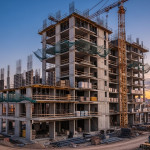 Why Many People Start Building and Never Finish
 Should You Buy a Home or Build One? A Complete Guide to Making the Right Decision
 The Best Places to Live in Lagos