
As a first-time home buyer in Nigeria, the process of purchasing a property can feel both exciting and daunting. With unique financial considerations and a dynamic real estate market, it's essential to approach the home-buying journey with a well-informed strategy. In this blog post, we'll explore a comprehensive guide to help you navigate the home-buying process in Nigeria with confidence.
Budgeting and Financial Preparation
The first step in the home-buying journey is to establish a realistic budget. Evaluate your income, existing debts, and monthly expenses to determine how much you can comfortably afford for a mortgage, down payment, and other associated costs. Remember to factor in additional expenses like property taxes, maintenance, and utility bills, which can vary significantly across different regions in Nigeria.
Understanding Credit Scores and Mortgage Pre-Approval
In Nigeria, your credit score may not play as significant a role in securing a mortgage as it does in other countries. However, it's still essential to review your credit report and address any discrepancies. Additionally, getting pre-approved for a mortgage will give you a clear understanding of your borrowing power and demonstrate to sellers that you are a serious and qualified buyer.
Home Inspections and Due Diligence
Once you've found the perfect property, it's crucial to conduct a thorough home inspection. Hire a reputable and experienced professional who can evaluate the home's structural integrity, identify any potential issues, and provide guidance on necessary renovations or repairs. Additionally, research the neighborhood, nearby amenities, and any planned developments that may impact the property's value in the future.
Navigating the Nigerian Real Estate Market
Understanding the dynamics of the Nigerian real estate market is key to making a well-informed purchase decision. Research recent sales data, trends in home prices, and the average time properties spend on the market across different regions and cities in Nigeria. This information will help you negotiate effectively and ensure you're getting a fair deal.
Closing the Deal
The final step in the home-buying process is the closing, where you'll review and sign all the necessary documents to transfer ownership of the property. Be prepared to provide the required down payment, closing costs, and any other fees associated with the transaction. It's also important to familiarize yourself with the legal and regulatory requirements for property ownership in Nigeria.
Conclusion
By following these tips, you'll be well on your way to becoming a confident and successful first-time home buyer in Nigeria. Remember to seek guidance from experienced real estate professionals and financial advisors throughout the process to ensure a smooth and seamless transaction.
It usually starts as a simple question, the kind people ask casually but think about deeply. Do you buy a car to make life easier now, or land to secure something bigger for the future? Both feel important. Both cost...
At some point in the home-buying journey, almost everyone faces the same quiet dilemma. Do you choose the order and structure of an estate, or the freedom and independence of a standalone house On the surface, the decision looks simple....


 Land or Car: Which One Should You Buy First?
 Living In An Estate vs Standalone Houses: Which One Is Actually Better?
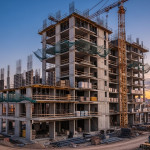 Why Many People Start Building and Never Finish
 Should You Buy a Home or Build One? A Complete Guide to Making the Right Decision
 The Best Places to Live in Lagos